December 16, 2025
Slot machines – and probably a roulette wheel – are undoubtedly the very symbol of casino and gambling as a culture. Backed by captivating mechanics and ease of use, they’ve been luring players big and small, not solely on casino grounds but across countless everyday situations where someone has a coin and a minute to spare. The advent of online platforms and the growing culture of remote entertainment eventually brought the excitement of slot games into every eager players’ home, which is definitely an era to be reckoned with.
How profitable can slot development be in 2026? What does the process look like, what are the costs of a casino slot game development today, which best practices actually matter, and how can you lay the foundation for players to come – and stay – even at the earliest stages of development? Read this article to find out.
Slot Game Market Overview & Current Trends
The worldwide shift toward digital entertainment and mobile-first lifestyles has turned slot machines – once the crown jewels of brick-and-mortar casinos – into one of the dominant forces in online gambling. According to recent market studies, the global online casino market was valued at roughly USD 19.11 billion in 2024, and is projected to nearly double to USD 38.00 billion by 2030, with a compound annual growth rate (CAGR) of about 12.2% for 2025–2030. Grand View Research.
This growth can easily stand for the rising demand online slot games development scored within recent 10 to 15 years. Studios and operators are doubling down on new slot releases: addictive mechanic paired with players’excitement is very evidently a new golden fever.
Today, there are several trends in how studios build and release slot projects. Let’s dive deeper to understand the intricacies of slot development that will eventually help you build a profitable game.
📱 Mobile & Online Dominance
Smartphone adoption, widespread internet access, and smoother digital payments have turned mobile devices into the primary gateway for casino entertainment. As a result, a big portion of new casino users come via mobile – meaning slot games must be optimized for performance, smooth UX, and fast load times. Thus, the trend calls for building flexible, mobile-first slots. Between better devices, cheap data, and frictionless payment methods, players expect fast, lightweight, beautiful slot games they can launch instantly.
🎯 Demand for Unique & High-Quality Content
The crowded market means that generic slot titles with standard themes and mechanics no longer stand out. To put it simply, as the market is evidently overwhelmed, generic “pharaohs and fruits” titles don’t cut it anymore. Operators will more likely turn their attention to unique themes, polished art, and memorable mechanics that stand out in a catalog of thousands. This is great news for studios focused on visuals and UX – and a reason many providers outsource art or full-cycle production.
🔄 Hybrid & Evolving Gameplay – Beyond Classic Slots
The slot market is evolving beyond simple reel-and-payline designs. Players – especially younger, mobile-native audiences – increasingly value variety, deeper engagement, and “game-like” experiences: e.g., slots with more complex bonus mechanics, in-game missions, social or community features, or even meta-game elements. These ideas bring traditional design closer to modern gaming – and raise the bar for slot machine game development.
💡 Regulatory growth and new markets
As more regions update or soften their gambling laws, online casinos are breaking into markets that were previously closed or heavily restricted. This creates a steady wave of new players – and a growing demand for slot titles that meet proper technical and legal standards.
One thing becomes obvious for developers at this point: a game can’t just look great or play well but has to pass certification tests, follow responsible gaming rules, and run reliably across different platforms and jurisdictions. In other words, regulation is no longer a “later problem” but a task that should be prioritized among the first ones.
Types of Slot Games
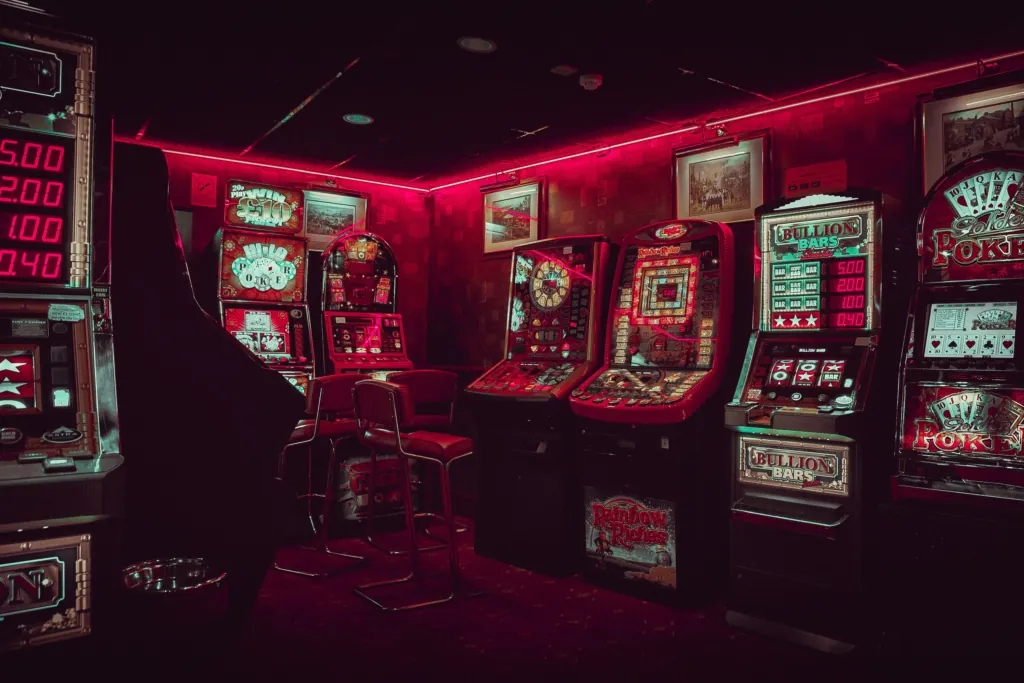
Slot games come in many forms, and each type attracts a slightly different audience. Understanding these categories helps shape the direction of your concept, math, art, and overall slot game development approach. Here are the main types you’ll see across the market today.
Classic slots
Widely known 3-reel machines inspired by the early days of casino gaming. Simple mechanics, minimal features, and nostalgic themes make them popular among players who want a straightforward, no-frills experience.
Video slots
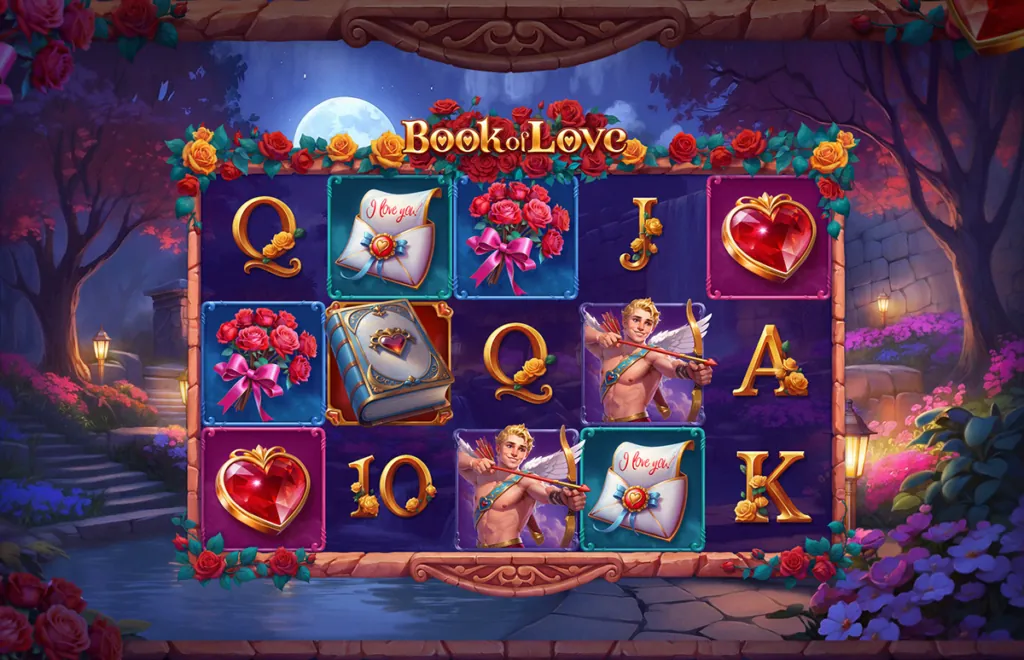
The most common category online – 5 reels, rich visuals, themed worlds, and a wide range of bonus features. This is where creative art direction and polished animation do the trick: when playing something as fancy as video slots, players expect entertainment on very great level.
Megaways and “ways-to-win” slots
Instead of fixed paylines, these games offer dynamic reel sizes and thousands of possible winning combinations. They create a sense of unpredictability and high energy: it makes them one of the most engaging formats on the market.
Branded slots
Based on movies, shows, celebrities, or other well-known IPs. Licensing adds extra cost, but the name recognition can draw players instantly. These projects often require tighter creative control to match the brand’s identity.
Skill-based and hybrid slots
A newer direction where players’ choices – timing, aim, simple interactions – slightly influence the outcome. They still rely on RNG at the core, but the added layer of control appeals to younger audiences who prefer game-like experiences.
Social casino slots
Designed for free-to-play apps rather than real-money casinos. They often focus on progression systems, collectibles, social challenges, and light meta-game elements. Art and UX take center stage here since engagement matters more than payouts.
Mini-slots and embedded experiences
Compact slot games placed inside mobile superapps, casual games, or broader entertainment platforms. They’re lightweight, fast, and designed for short, frequent play sessions – a growing trend in markets with mobile-first habits.
Every type of slot game offers its own creative and technical challenges. Knowing which category you’re building for helps shape everything that follows – math, art, features, performance, and even distribution strategy.
Slot Mathematics & Game Logic Fundamentals
Behind every polished slot game is a math model that determines how the game feels – its rhythm, pace, excitement, and long-term fairness. Players may see spinning reels and bright animations, but what truly shapes their experience happens under the hood. Strong math design is one of the core pillars of successful slot game development, and it’s what keeps players engaged long after the visuals stop being new.
RNG – the engine of fairness
At the heart of every slot is an RNG (Random Number Generator), which ensures that every spin outcome is unpredictable and independent. Whether a player wins, loses, hits a bonus, or triggers a feature is determined by the RNG – not by previous results and not by “hot” or “cold” streaks. This randomness is what certification labs test before a game can go live.
RTP – what the game pays back over time
RTP (Return to Player) shows the theoretical percentage of wagers returned to players over a very long period. For example, a 96% RTP means that – mathematically – the game is designed to give back $96 for every $100 bet over millions of spins. RTP doesn’t guarantee how any single session will go, but it helps set expectations and position the game within the market.
Volatility – how the wins are distributed
Volatility defines the “feel” of the game.
- Low volatility – frequent, small wins.
- High volatility – rare but potentially large payouts.
A game’s volatility influences both how players feel and how the game presents itself. High-volatility slots tend to use bolder visuals and more dramatic audio to build tension, while low-volatility games usually favor a softer, more welcoming look and sound to match their steady, easygoing pace.
Paylines, ways, and clusters
These structures determine how symbol combinations translate into wins:
- Paylines – fixed or adjustable lines across the reels.
- Ways-to-win – payouts based on matching symbols from left to right, regardless of the line.
- Cluster pays – wins based on groups of matching symbols touching each other.
Each structure influences math balance, hit frequency, and the overall pacing of the game.
The math-art connection
While math may seem separate from visuals, the two must work together. If a game has rare but explosive wins, the art and animation should build anticipation. If the gameplay is steady and frequent, the UI should support clarity and flow. Good slot design isn’t just numbers on a spreadsheet – it’s math translated into emotion.
Best Features to Add in Slot Game Development
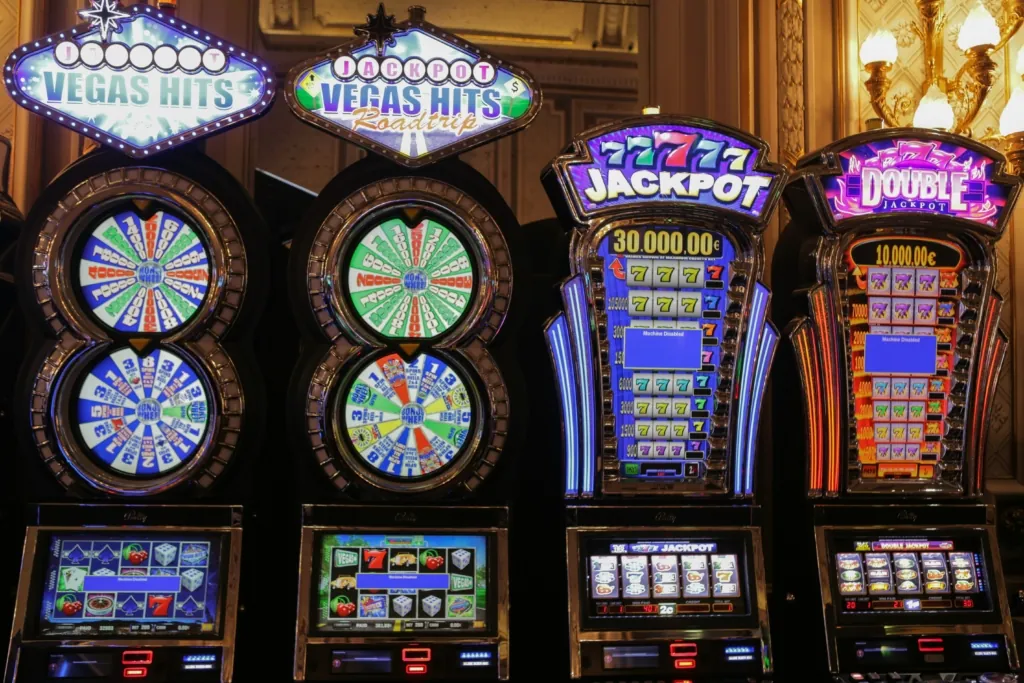
Great features can turn a solid slot into a memorable one. Players might be drawn in by visuals, but it’s the mechanics, bonuses, and small surprises that make them stay. Modern slot machine game development isn’t just about adding more features – it’s about choosing the ones that enhance the theme, support the math model, and create moments players want to come back for.
Engaging bonus rounds
Free spins, pick-and-win games, wheel bonuses, and multi-stage challenges are still the backbone of slot engagement. A well-designed bonus round adds excitement without overwhelming the player – and it gives your game its signature feel.
Multipliers and wild variations
Wild symbols, expanding wilds, sticky wilds, shifting wilds, or wilds with multipliers can instantly change the pace of a session. These features blend visual satisfaction with strong math impact, making them favorites among players.
Cascading or tumbling reels
Instead of spins ending instantly, winning symbols disappear and new ones drop in – sometimes triggering chain reactions. This mechanic adds momentum and makes even small wins feel rewarding.
Buy feature / Bonus buy
Popular in many markets, especially among experienced players. It lets users skip straight to the bonus round for a fixed price. When used responsibly and supported by clear math, this feature can significantly boost engagement.
Progressive or local jackpots
Jackpots build anticipation and give players a long-term goal. Whether networked or standalone, they add a sense of scale and elevate even a simple slot theme.
Missions, achievements, and light progression
A growing trend – especially for younger audiences. Simple challenges, daily goals, or unlockable features give players a reason to return and explore your slot beyond basic spinning.
Dynamic animations and event-driven VFX
Good visual feedback makes wins feel bigger and losses more tolerable. Responsive VFX – flashing accents, symbol bursts, reel shakes – connect the math model with the emotional experience, an important part of modern slot game development.
Adaptive sound design
Soundscapes that respond to volatility, big wins, or near misses add depth without distracting players. Strong audio direction can make even familiar mechanics feel fresh.
What is Slot Game Development Process (Step-By-Step)
Let’s walk through the process as if you’re actually making a new slot. You have an idea, a small team, and a blank page – here’s how that turns into a real, live game spinning in an online casino.
1. Spark the idea and define the goal
Every slot starts with a simple question – why should this game exist?
Look at the market, spot a gap, or see a theme that still feels fresh: maybe a cozy folklore world, a sci-fi heist, or a lighthearted pet adventure instead of yet another pharaoh. At this stage, you:
- define the target player and main markets
- decide on volatility level (chill, medium, or “high risk, high thrill”)
- outline business goals – brand awareness, portfolio filler, or flagship title
This gives you a direction instead of just “let’s make something cool”.
2. Build the core concept and game vision
Now you turn that idea into a vision you can share with others. You outline:
- reels, basic mechanics, paylines / ways / clusters
- main features – free spins, wilds, bonus game, buy feature
- mood and tone of the world, from colors to soundscapes
Usually this ends up in a short concept document that everyone – art, math, dev, product – can align around.
3. Design the math model and prototype the gameplay
Here’s where the invisible engine of the game is created. A game designer and math specialist work together on:
- RTP, volatility, hit frequency
- symbol values, paytable, reel strips or symbol distribution
- probability of features and bonus rounds
A simple prototype – even with placeholder art – is often built to see how the game “feels” when you spin it. This is where you discover if your idea plays like a thrilling ride or a flat line.
4. Shape the visual world – art direction & concepts
With the math taking shape, art direction kicks in. The team creates:
- moodboards and references
- character and symbol concepts
- environment sketches and UI direction
The goal is not just to make pretty pictures, but to support the math and theme. High-volatility game? The art might lean into tension, contrast, and dramatic moments. Lighter game? Softer colors, friendly symbols, and clear, calming UI.
5. Produce assets, animation, and UI
Once the direction is locked, full production starts:
- final symbols, backgrounds, logos, icons
- animated characters, special symbols, VFX
- UI layouts for desktop and mobile, buttons, panels, pop-ups
This is where the slot starts to look like a real game. Animations are tuned to match key math events – big win, near miss, bonus entry – so every important moment feels satisfying.
6. Develop the game – client and server
Developers take the math, the assets, and the design documents and turn them into a working product. Typical tasks include:
- implementing reels, spins, and all features
- hooking up RNG and math logic
- adding transitions, sounds, and effects
- building settings, autospin, turbo modes
At the same time, backend engineers handle game logic on the server side, integration with casino platforms, wallets, and reporting.
7. Optimize for performance and platforms
A slot that looks great but loads slowly will lose players fast. So the team:
- compresses textures and animations
- trims loading times and memory usage
- checks performance on low- and mid-range devices
- polishes responsiveness across resolutions
This is especially critical for mobile, where players expect the game to open in seconds – not minutes.
8. Test, iterate, and prepare for certification
QA comes in early but ramps up here. They test:
- functional bugs – broken features, stuck spins, UI issues
- edge cases – strange bets, unstable connections, rapid user actions
- math verification – outcomes match the designed model
For real-money markets, the game then goes to external labs for certification. They confirm that RNG, RTP, and rules behave exactly as claimed.
9. Launch, monitor, and improve
Once certified and integrated, the slot goes live. But the story doesn’t end at launch – it just changes. The team tracks:
- player retention and session length
- feature usage and bonus entry rates
- market feedback and operator requests
Based on this, you might adjust configurations, add small UX improvements, or plan sequels and themed variations. A good process treats the first release as chapter one, not the full book.
Technology Stack for Slot Machine Game Development
Once the idea, math, and art are in place, it all has to live somewhere – inside real, working code. The technology stack is what turns your concept into a smooth experience on a player’s screen, whether they’re on a high-end PC or an old Android phone. Good tech choices don’t just make development easier – they also affect performance, stability, and how far your game can travel across platforms and markets in the long run.
Client-side – where the magic is rendered
On the front end, most modern slots are built for the browser, using HTML5 and JavaScript or TypeScript. Popular rendering engines like PixiJS or Phaser handle 2D graphics, animations, and effects, while frameworks and custom tools sit on top to manage UI, states, and game flow. In some cases, studios still use engines like Unity exported to WebGL, but pure HTML5 stacks remain lighter and easier to integrate for many operators – especially in online slot machine development.
This is also where you plug in:
- asset loading and optimization
- animation systems (for symbols, transitions, VFX)
- responsive layouts for desktop, tablet, and mobile
Server-side – brains behind the reels
On the backend, the main job is to keep game logic, RNG modules, and financial operations secure and predictable. Common stacks include Node.js, Java, or .NET services running behind load balancers, connected to databases that track sessions, bets, wins, and reporting.
The server:
- talks to the casino platform and wallet
- validates bets and outcomes
- applies the math model and returns results to the client
This separation – visual layer on the client, logic on the server – is a core pattern in serious casino slot game development.
Tools, pipelines, and integrations
Around client and server, there’s a whole ecosystem of tools:
- DCC tools for art and animation (Photoshop, Spine, After Effects, etc.)
- build systems and CI for packaging and regression checks
- SDKs for each operator or platform
- analytics and A/B testing tools to see how players actually behave
When all of this works together, the technology disappears for the player – they just see a fast-loading, responsive slot that “feels right” from the first spin. For the team, though, a solid stack is what keeps development predictable, integrations smoother, and future updates far less painful.
Slot Game Development Cost
The cost of creating a slot game can vary quite a bit – not because of mysterious industry rules, but because every slot is a different mix of art style, math complexity, features, and technology. Still, there are clear patterns that help estimate budgets and understand what you’re really paying for in modern slot game development.
What determines the final price
Your final check is influenced mostly by:
1. Art style and animation density
A simple, clean symbol set with minimal effects is far cheaper than a fully illustrated world with animated characters, layered backgrounds, and event-driven VFX. Since visuals carry so much of the emotional experience, this is usually one of the largest cost drivers.
2. Math model complexity
A classic 5×3 slot with a single bonus is simpler to design and test than a multi-level game with scatter chains, evolving reels, or feature buy mechanics. More math work means more iteration, prototyping, and QA.
3. Features and gameplay depth
Extra bonuses, mini-games, jackpots, missions, and other additions require design, art, logic, and balancing. Even one new feature can add weeks to production.
4. Technology and integrations
HTML5 slots tend to be faster to produce, but custom engines, Unity/WebGL builds, or unique backend setups can raise the cost. Integrating with multiple casino platforms also adds time.
5. Certification and compliance
If you’re targeting regulated markets, your game must pass lab testing. Preparing for certification adds both time and engineering work – especially in slot machine game development for real-money play.
Typical cost ranges
Although each studio prices differently, you can expect something within these general brackets for a full-cycle slot:
- Basic slot (simple art, classic features): ~$25,000–$40,000
- Mid-level slot (strong visuals, 1–2 features): ~$40,000–$80,000
- High-end slot (premium art, multiple bonuses, complex math): $80,000–$150,000+
Social casino games or brand-licensed slots may fall outside these ranges, depending on production needs and IP requirements.
Why costs are rising
Players expect smoother mobile experiences, richer visuals, and smarter features – all of which require more time and specialized talent. At the same time, operators want faster turnaround and higher-quality content, pushing teams to build more polished games without cutting corners. That’s why thoughtful planning early on is essential in any online slot games development roadmap.
Emerging Technologies & Future Trends
The slot industry never really stands still – every few years, a new wave of technology reshapes how games look, feel, and even how they’re made. For studios and operators, keeping an eye on what’s coming next is just as important as understanding what works today. Here are some of the most promising developments already influencing online slot machine development and the direction it’s heading.
AI-assisted production
AI is becoming a practical tool rather than a buzzword. From early concept drafts and symbol variations to sound prototypes and automated QA checks, AI shortens parts of the pipeline without replacing the creative core. It helps teams iterate faster, explore more ideas, and test game logic against huge sets of simulated sessions – something that used to take days.
More dynamic, personalized gameplay
With better analytics and machine-learning models, slots can adapt to player preferences – pace, volatility ranges, preferred features – while still staying compliant and fair. Personalization won’t rewrite the math model, but it can influence presentation, UI modes, or even the way bonus teasers appear. Think of it as a more player-aware layer on top of traditional slot game development.
Blockchain and provably fair systems
Blockchain isn’t mainstream in regulated markets yet, but it continues to shape innovation. “Provably fair” mechanics let players verify outcomes independently, creating more trust in niche or hybrid environments. This isn’t replacing RNG anytime soon, but it’s carving out space in crypto casinos and experimental formats.
Cross-platform and lightweight engines
Mobile-first behavior pushes developers toward even faster, lighter technology. Engines that render high-quality effects with minimal load times – or tools that export seamlessly across devices – will dominate. Cloud builds, remote rendering, and smarter compression pipelines are also gaining traction as games get visually richer.
Hybrid gameplay and genre blending
Younger audiences expect more interaction. Slots that mix casual-game elements, light story progression, missions, or even light “skill moments” are getting more popular. These hybrids won’t replace classic reels, but they expand what a slot can be – and they give developers more room for creativity.
Final word
If executed properly, slot development is not just a profitable idea but also one that sparks creativity among your teams and gives your players their fair share of joy and excitement. For these factors to get together, it’s vital that slot development components like math, art, development and project management come together in a balance. That’s where Inkration team can help you bring your slot ideas to life: share your vision with us at [email protected] to get an honest estimation, art direction comment, and a plan to bring your project to life.